How Initial Free Bets Trigger Progression Through Integrated Loyalty Systems in Multi-Game Wagering Platforms
Written by Noah Bauer · Nov 26, 2026
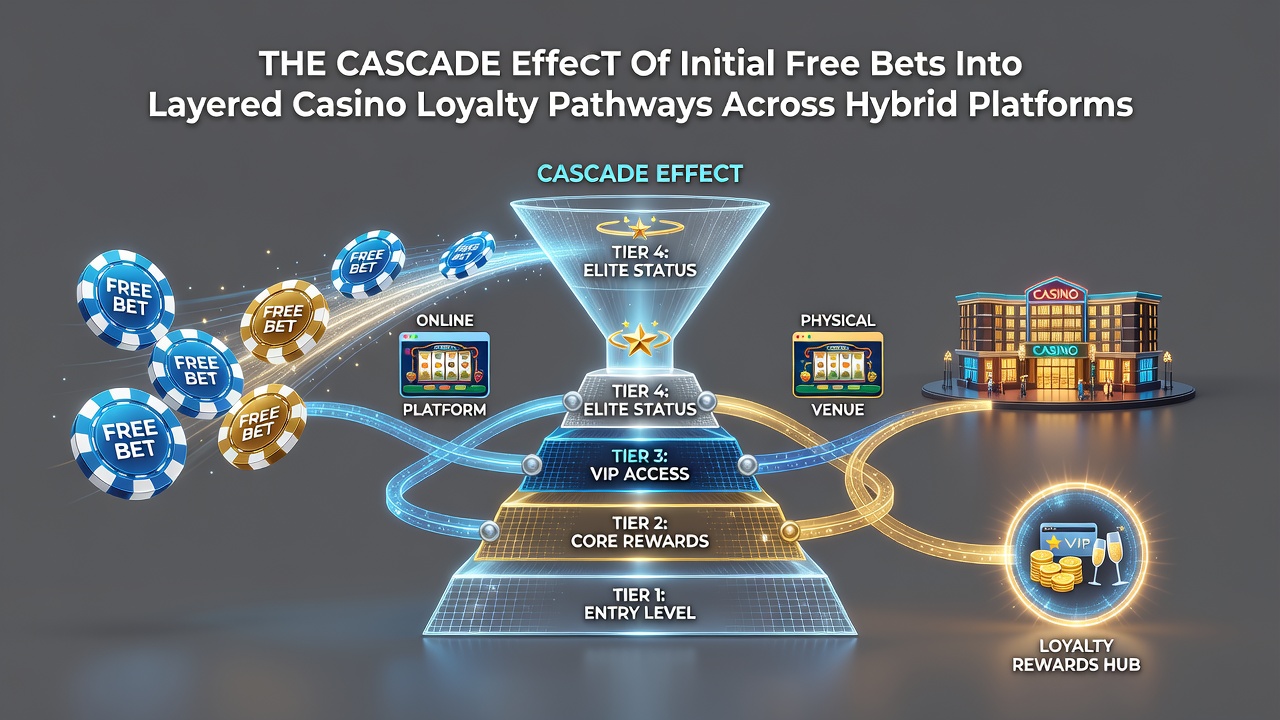
How Initial Free Bets Trigger Progression Through Integrated Loyalty Systems in Multi-Game Wagering Platforms
Hybrid wagering platforms combine sportsbooks with casino offerings, and initial free bets often serve as entry points that feed into structured loyalty pathways according to industry tracking data from late 2026. Operators design these sequences so that a free bet redemption can lead directly to deposit requirements, which then unlock reload offers and tiered rewards in the casino section of the same account. Data from multiple state markets shows that users who engage with a free bet in November 2026 frequently continue into casino play within the same session, creating measurable progression toward VIP milestones.
Mechanics of Free Bet Conversion on Hybrid Sites
Free bets typically arrive with wagering conditions that require players to place additional wagers before any winnings become withdrawable, and many platforms link those conditions to casino-specific playthrough metrics. This connection means a user who starts with a sports free bet may meet part of the requirement through slot spins or table games on the same interface. Reports indicate that such cross-product mechanics increased in usage across U.S. states during the third quarter of 2026 as operators sought to consolidate player activity within single ecosystems rather than separate apps.
One common pathway begins when a free bet generates a small win that credits to the main balance, after which the platform presents a deposit match offer tied to casino games. Those who accept the deposit then receive loyalty points that accumulate faster when they play both sports and casino products in sequence. Figures from platform analytics reveal that players completing this first conversion step reach the initial loyalty tier 40 percent more often than those who receive only deposit bonuses without the preceding free bet trigger.
Layered Rewards and VIP Milestone Pathways
Loyalty systems on these platforms assign points based on handle across product types, so a free bet used on sports can contribute to casino tier progress when the operator applies unified tracking. As players advance, they encounter reload bonuses that apply to both verticals, and higher tiers unlock personalized free bets or cashback that reference previous activity. Observers tracking these systems note that the cascade becomes self-reinforcing once a user hits the second or third loyalty level because the rewards then include larger free bet amounts that again feed back into casino play.
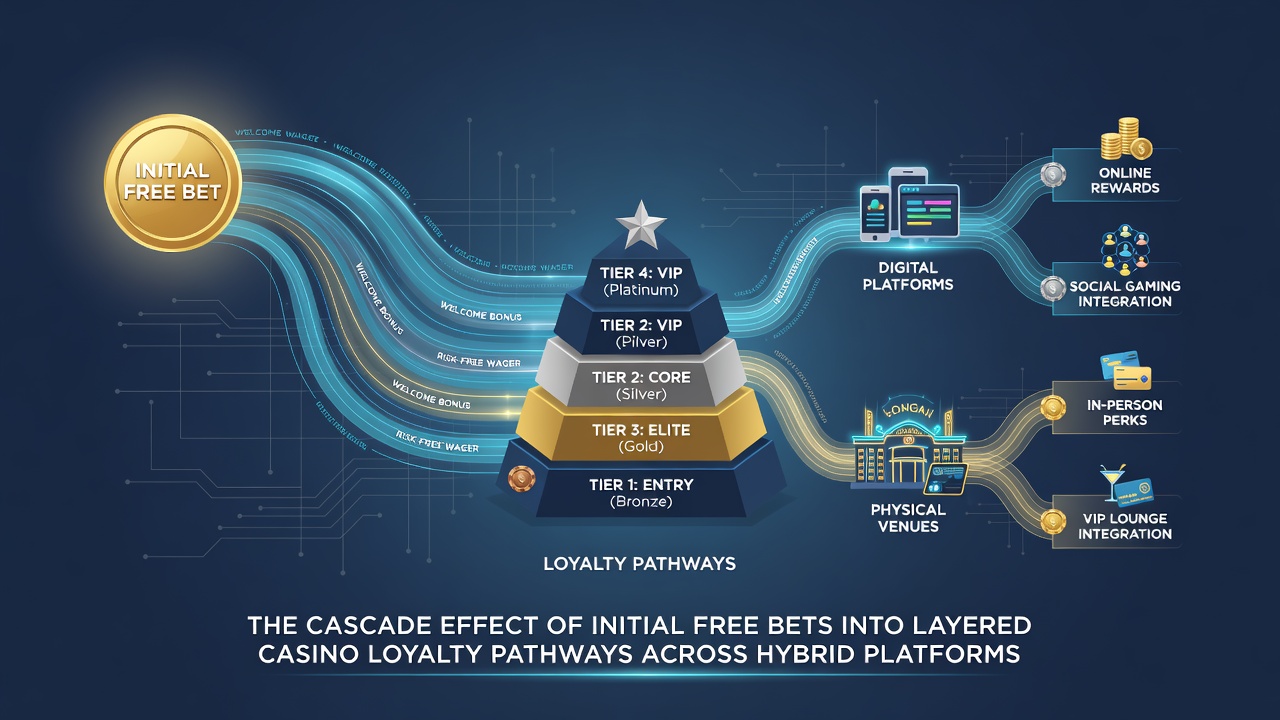
Platform data collected through November 2026 shows that users who receive an initial free bet and convert it within 48 hours exhibit higher lifetime value than those who bypass the offer entirely. The difference appears in both retention rates and average deposit frequency, with hybrid operators reporting that integrated pathways reduce player churn by linking short-term promotions to longer-term tier benefits. In markets where regulatory filings require disclosure of promotional spend, the proportion allocated to free bet triggers that later convert to casino rewards has risen steadily since early 2026.
Cross-Platform Data and Player Behavior Patterns
Analytics firms that aggregate anonymized data from multiple operators document consistent patterns: free bet users who also engage casino games within the same week reach cumulative reward thresholds at accelerated rates. This occurs because many loyalty programs calculate points on total handle rather than isolated product categories, allowing sports activity to subsidize casino tier movement. Government reports from states with mature markets indicate that such mechanics remain compliant with responsible gambling standards when operators provide clear opt-out options and spending controls.
One documented sequence involves a player accepting a free bet on a football match, receiving a modest payout, then receiving a targeted casino reload that carries its own loyalty multiplier. Those who complete the reload often receive an invitation to a VIP program that grants monthly free bets scaled to prior combined activity. Research compiled by academic groups studying online gambling behavior confirms that these layered incentives maintain engagement across product types without requiring separate marketing campaigns for each vertical.
Regulatory Context and Industry Tracking in Late 2026
State regulators and industry associations continue to monitor how promotional cascades affect player spending patterns, particularly in jurisdictions that expanded sports betting during 2025 and 2026. Data submitted to oversight bodies shows that free bet redemptions frequently precede increased casino handle, prompting some operators to adjust disclosure language around loyalty progression. Trade groups representing platform providers have published guidelines encouraging transparent communication of how initial offers connect to subsequent rewards, aiming to align with consumer protection expectations across different regions.
International comparisons reveal similar structures in markets outside the United States, where hybrid operators in Europe and Australia apply unified loyalty currencies that convert sports free bets into casino point accumulation. These systems rely on the same cascade principle, though local rules dictate the speed and visibility of tier advancement. Figures released by research institutions tracking global online wagering indicate that platforms employing integrated pathways report steadier month-over-month player activity compared with those maintaining separate loyalty structures for sports and casino sections.
Conclusion
The cascade from initial free bets into layered casino loyalty pathways operates through interconnected mechanics that reward continued engagement across product types on hybrid platforms. Platform data from November 2026 demonstrates measurable progression when operators link free bet conditions to unified point systems and tier benefits. Regulatory filings and industry reports confirm that these sequences form a core component of current promotional strategies, with operators refining the timing and presentation of offers to sustain activity while meeting compliance standards.